
Menorrhagia is the medical term for extremely heavy or prolonged bleeding during menstruation. You lose more blood than normal or bleed for longer than seven days. Having heavy periods can affect your life considerably, yet many women don’t immediately recognize it as a condition. This article explains what Menorrhagia is, how to recognize it, possible causes and how to get a better grip on your period.
During menstruation, blood loss may be so heavy or prolonged that it deviates markedly from what is considered normal. This is not a single cycle, but a pattern that keeps repeating over an extended period of time. Many women do not recognize these signs and think that this is “just part of it,” whereas heavy or prolonged bleeding that affects your daily life is not normal.
Menorrhagia can be recognized by several signs, such as menstruation lasting longer than seven days, having to replace menstrual protection regularly or losing large blood clots. Persistent fatigue may also be a clue, as the body structurally loses more blood than it can replenish. These symptoms often develop gradually.
When your period determines whether you can work, exercise, sleep or attend appointments, it is an important signal to take seriously. Many women imperceptibly adjust their lives to their cycle. That very adjustment shows that the bleeding goes beyond normal discomfort. If you recognize yourself in this, it is wise to look further into possible causes and possible treatment options.
The causes of Menorrhagia vary from person to person and may change during different stages of life. Often there is not one clear explanation, but an interplay of several factors. Common causes include:
When Menorrhagia persists for a long time and is not treated, it can lead to physical and mental symptoms. These include anemia, persistent fatigue, difficulty concentrating and emotional strain. This is precisely why it is important to take symptoms seriously and explore what treatment may work for you.
It is wise to contact your doctor if your period lasts longer than seven days, if you have to change every hour, if you regularly lose large blood clots or if you experience symptoms such as dizziness, extreme fatigue or shortness of breath. Also, if your period interferes with your daily life, that’s a reason to raise the alarm!
Treatment depends on the cause and your personal situation. Sometimes medication is chosen to reduce blood loss or regulate the cycle. In other cases, hormonal support, such as contraception, may be helpful. If there are fibroids or other abnormalities, for example, additional testing or a different approach may be needed. Together with a health care provider, we will consider what is appropriate for your situation, body and stage of life.
Many women with this condition wonder if heavy menstrual blood loss affects their fertility. Menorrhagia and getting pregnant are not necessarily mutually exclusive. However, excessive bleeding can signal underlying causes, such as hormonal imbalances or disorders of the uterus, which can sometimes make getting pregnant more difficult.
Therefore, it is important to look beyond the symptom. A conversation with a health care provider can help you understand possible causes and often provides peace of mind and clarity. Understanding what is going on in your body is an important first step.
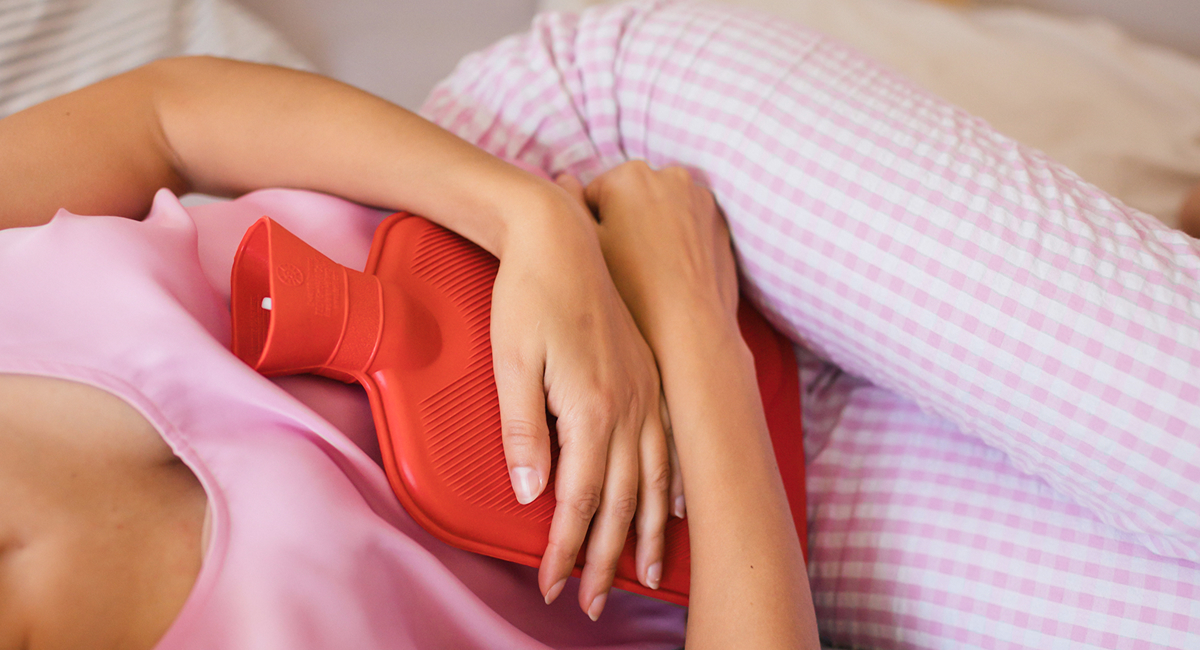
For many women, living with Menorrhagia means living with constant uncertainty. Spontaneous choices become more difficult: you take extra clothes, schedule appointments around your cycle or forgo activities for fear of leaking, pain or extreme fatigue. That this has such a major impact on your daily life is not something you should simply accept. It should not be.
Recognizing that the condition is more than just a physical symptom creates space to take the consequences seriously as well. Fortunately, there are ways to feel more confident again and find appropriate support so that your life is no longer defined by your period.
In addition to medical guidance, choosing the right menstrual product can also help you feel more calm and confident during heavy menstruation. With Menorrhagia, it’s nice to choose products that are suitable for heavier bleeding, so you don’t have to change as often and there’s less chance of leaking.
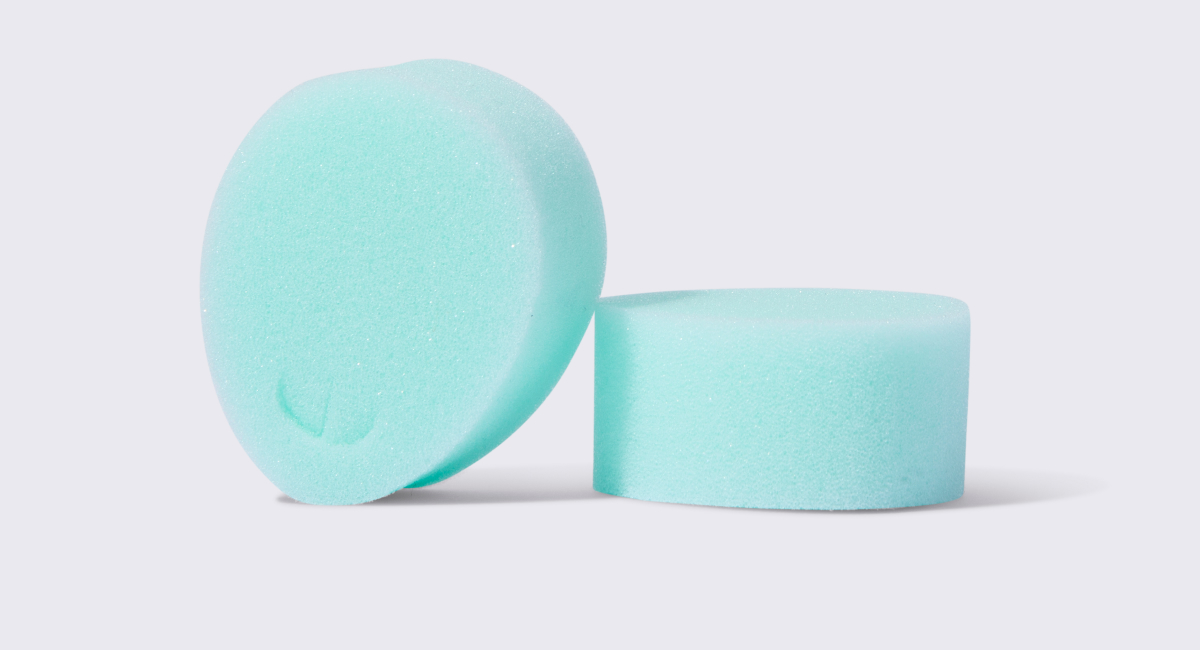
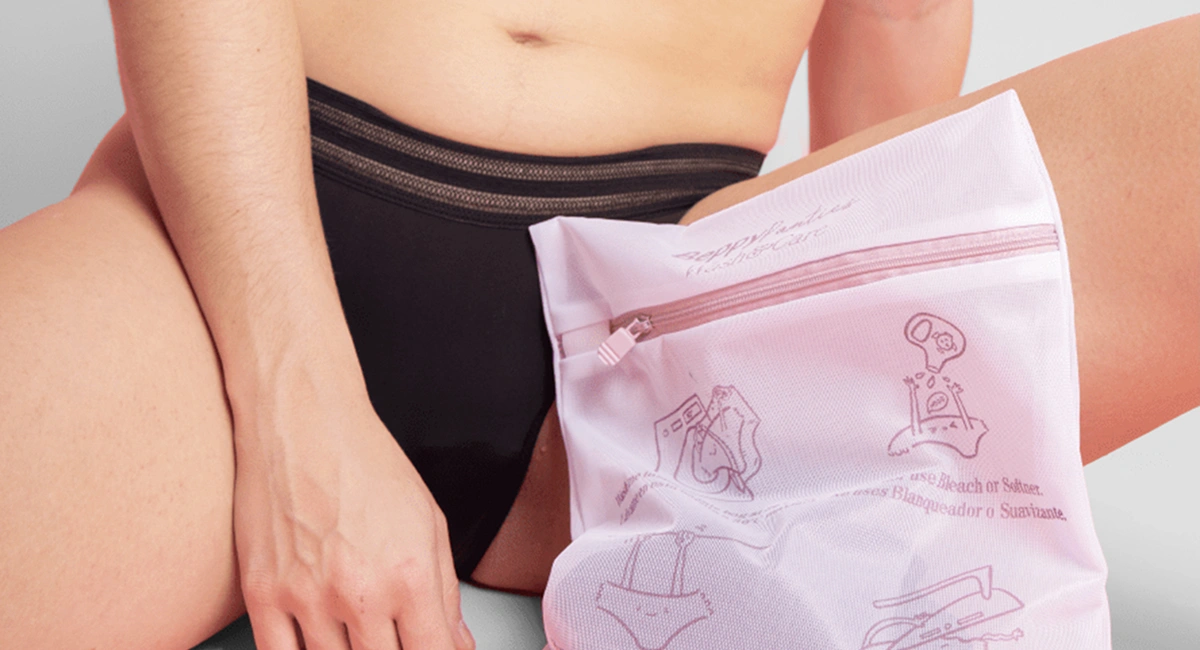
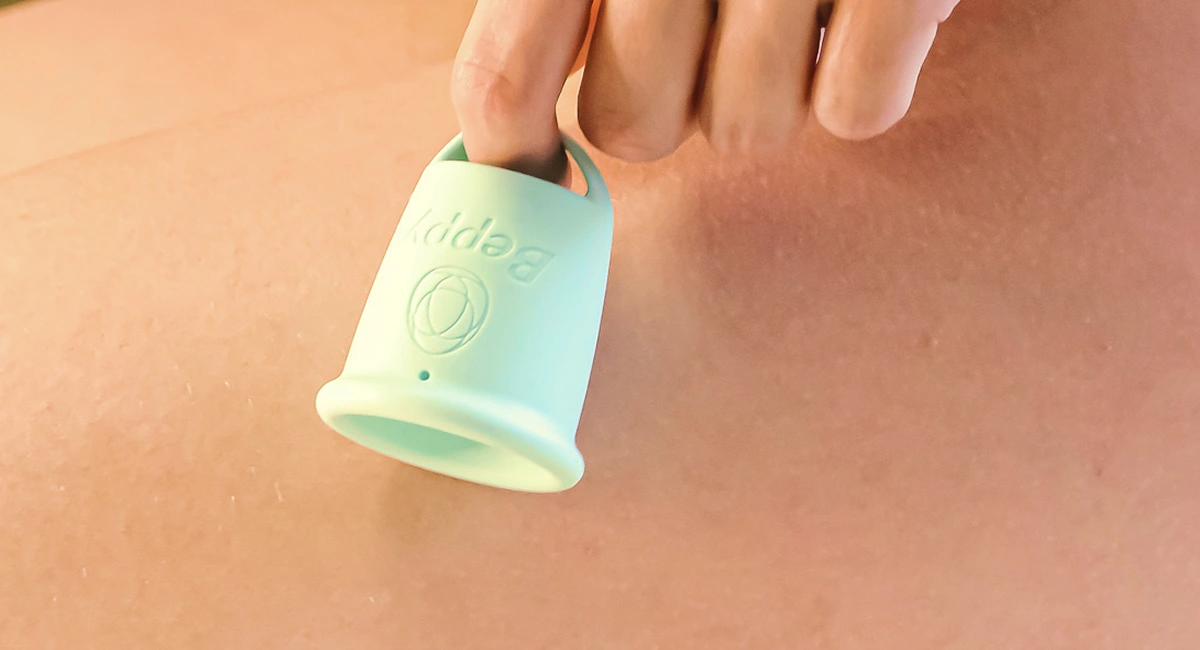
Menstrual products from Beppy are designed to provide reliable protection even during heavy periods. They have high absorbency and can help you feel more secure and free during your cycle, both during the day and at night.
Unsure which product is best for your situation or amount of blood loss? Then we are happy to think along with you. You can always contact our customer service for personal product advice. We are happy to help you make a choice that suits your body and menstruation!