

Although people often talk about average menstruation, these are usually figures from studies. These give a general picture, but do not always match how a cycle really works in practice. Every woman menstruates differently, which makes the term “average” less useful. In this article you will read all about menstrual periods and how to recognize what is a healthy cycle for you!
How long does an average menstrual period last? What is average blood loss according to studies? And when can you consider your own cycle healthy? Below you can read the answers to these questions.
When we talk about average menstruation, we usually refer to figures from studies. In these, the average menstrual duration is between four and seven days and both fall within the normal range. Many women menstruate shorter or longer and that can still be completely healthy. Therefore, there is no one fixed average, as different outcomes are normal.
Average menstrual blood loss is also not an exact number. Studies usually cite a guideline of 30 to 80 milliliters per cycle, but in practice this varies greatly from person to person. One body makes more blood than the other, and hormonal fluctuations can also affect the amount. In addition, it is difficult to measure blood loss accurately. Your menstrual product plays a big role in this because a cup, tampon or sponge each collects differently. This sometimes makes it feel like you’re losing more or less blood than is actually the case.
In short: there is no such thing as an average menstruation. A healthy cycle matches what your body normally shows. That means that in terms of duration, amount of blood loss and regularity, your period remains about the same from month to month. Minor deviations are normal and are part of hormonal fluctuations. Does your cycle suddenly change or are you experiencing symptoms that don’t suit you? Then it may make sense to ask for advice. Your body will often tell you what is healthy for you.
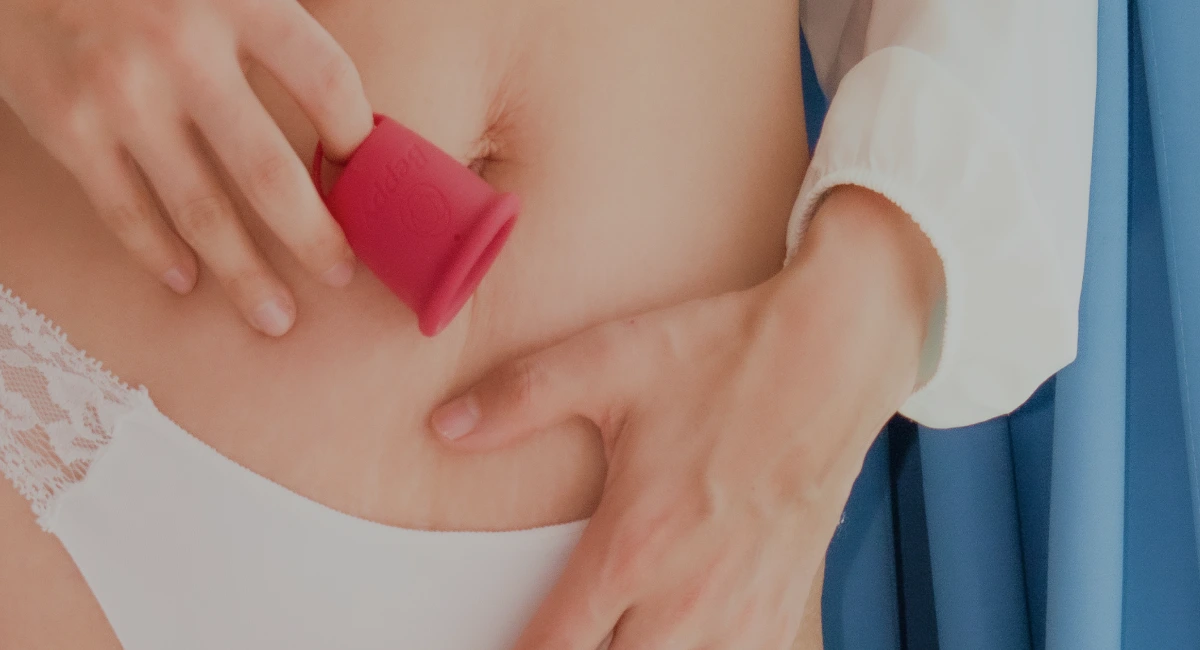
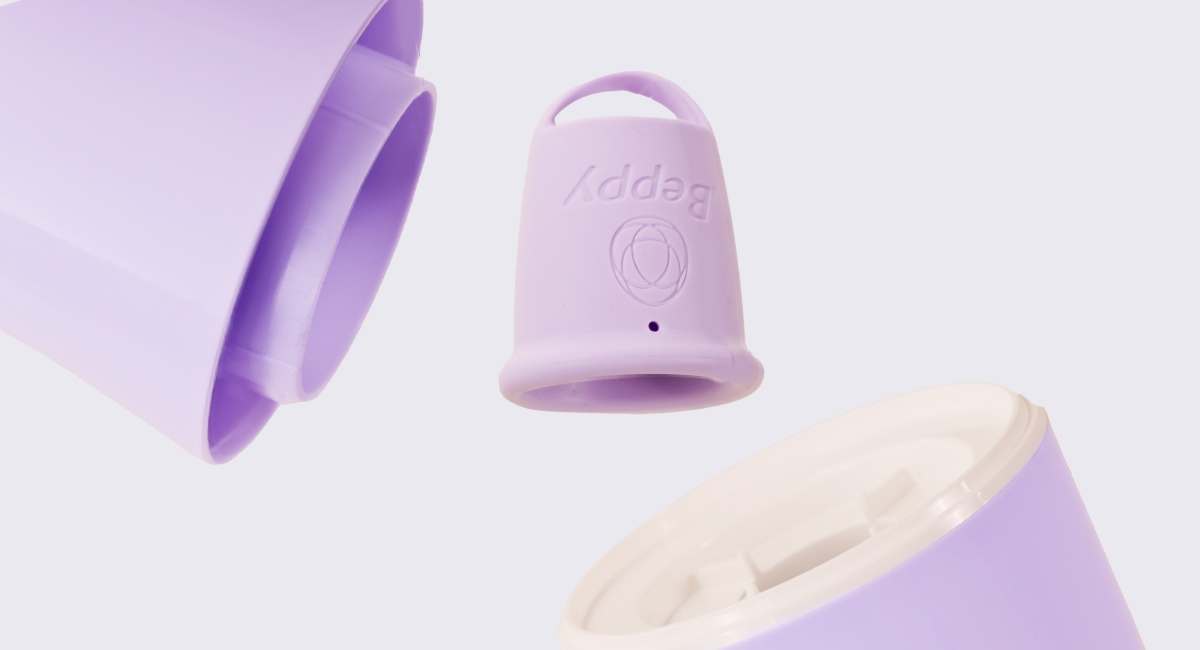
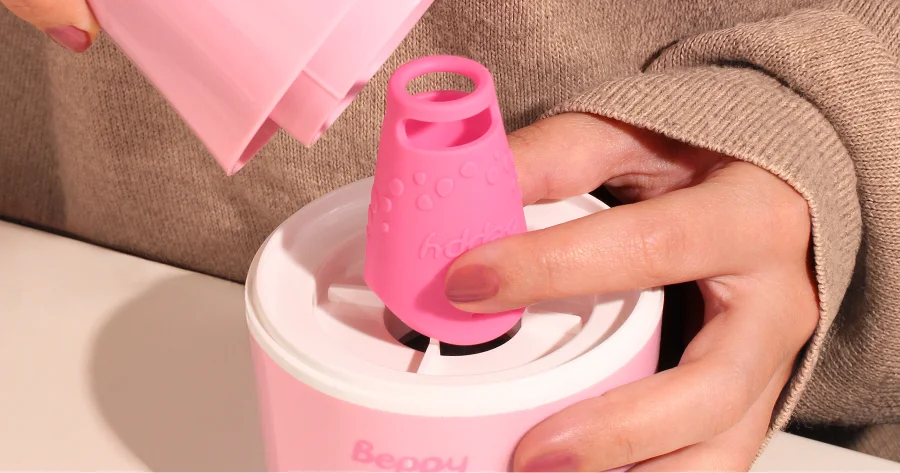
If you want to know approximately how much blood you lose during your period, products that catch the blood rather than absorb it can provide more insight. For example, consider our menstrual cup or Hollow tampon. They catch the blood, making it easier to see how much blood you’ve lost with each change.
Comfort and ease of use also play a major role. Soft products with no visible string, such as
With the right products, your period becomes a lot more comfortable in everyday life. At Beppy, we believe that your cycle doesn’t have to limit you and that every day of the month should be a happy one.
Our durable and reusable menstrual products offer multiple benefits to suit different needs:
It is normal for your period to change from month to month. Your hormones fluctuate, your body reacts to stress, sleep, diet and exercise. As a result, your period may be shorter, longer, lighter or heavier. If you track your cycle for a few months, you will get a clearer picture of what is normal for you rather than comparing it to an average menstrual period.
If your period is suddenly much more intense, if you have extreme pain, or if your cycle suddenly shifts significantly for no apparent reason, it may be wise to seek medical advice. Your body often tells you itself when something feels different than normal.
Many women use menstrual apps, but a note in your calendar or phone also works. Write down the start date, duration, amount of bleeding and how you feel. After a few months, you’ll see a clear pattern, making it easier to recognize what your average period is.
Yes, this is very common. Your hormone levels vary and that directly affects your blood loss. A light month and then a slightly heavier month need not be a cause for concern, as long as it stays within your personal pattern!
Still have questions about an average cycle or other questions? If so, feel free to contact us!