

Persistent fatigue, irregular periods, or unwanted hair growth can be signs that your hormones are out of balance. Many women recognize these symptoms but don’t always know what’s causing them. PCOS often turns out to be the underlying cause. In this article, you’ll learn exactly what PCOS symptoms are, what’s happening in your body, and what you can do to feel better and gain more control over your cycle.
PCOS stands for Polycystic Ovary Syndrome. It is a hormonal disorder in which the ovaries and the menstrual cycle function differently than normal due to a hormonal imbalance. As a result, ovulation may not occur, and menstrual periods may become irregular.
The condition is relatively common. According to a study published in *The Lancet*, approximately 8 to 13 percent of women of childbearing age have PCOS. For more information, visit the external source: https://www.thelancet.com.
In PCOS, follicles often do not fully mature. As a result, multiple small, fluid-filled sacs remain in the ovaries, and the ovaries may appear larger than normal. These sacs are often called cysts.
They are usually harmless, but they are associated with the absence of ovulation and the related symptoms.
Not everyone with PCOS experiences the same symptoms. Some women have mild symptoms, while others suffer from multiple symptoms on a daily basis. The severity and combination of PCOS symptoms vary from person to person and can also change over time.
Common complaints include:
If you recognize several of these signs, it may be wise to discuss this with a family doctor or gynecologist. An early diagnosis can help you receive appropriate care and minimize further health risks.
PCOS affects more than just your menstrual cycle. The hormonal imbalance can disrupt various processes in your body, causing you to experience both physical and mental symptoms. PCOS can also affect your sex life and fertility.
Insulin resistance plays a role in many women. In such cases, the body responds less effectively to insulin, which can cause symptoms such as acne, excessive hair growth, and weight gain to worsen.
In the long term, untreated symptoms may be linked to an increased risk of conditions such as type 2 diabetes and cardiovascular disease. Early detection, support, and appropriate self-care can help reduce these risks and improve your quality of life. Want to know what steps you can take on your own? Then read on.
Lifestyle changes can significantly reduce PCOS symptoms. In particular, what you eat, how much you exercise, how you sleep, and how much stress you experience all affect your hormones.
For example:
These changes don’t take effect right away. Give your body time to adjust. If you stick with this for a while and make it a regular habit, many women find that their PCOS symptoms improve and that they feel more energetic.
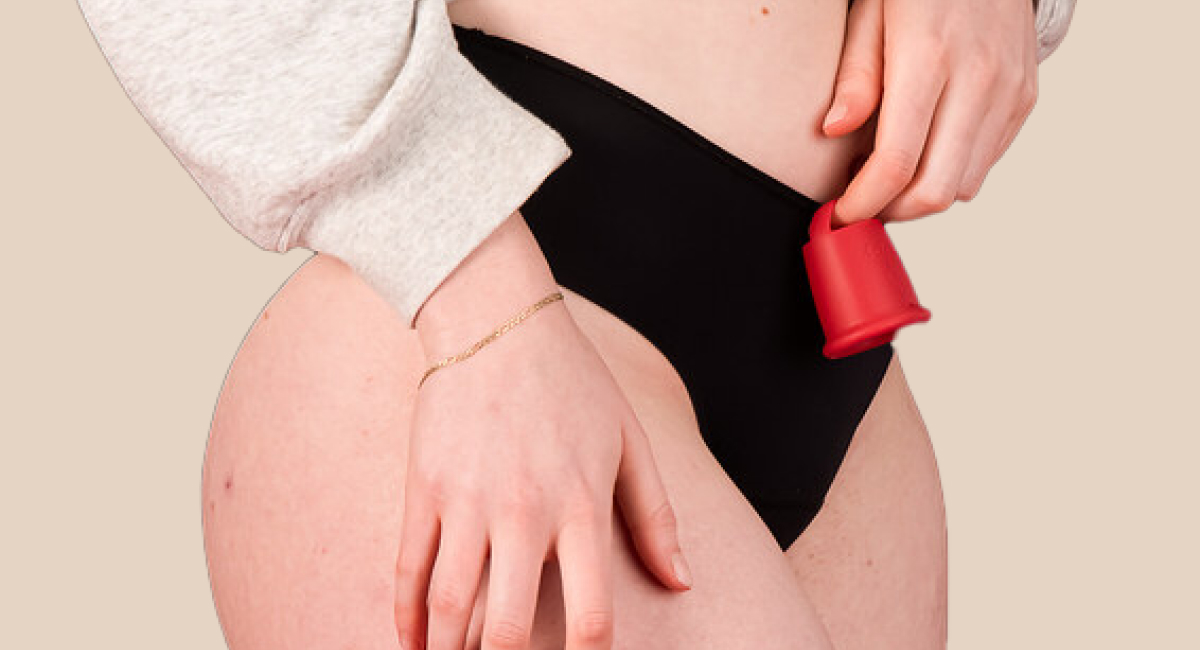
If your symptoms are accompanied by unpredictable or prolonged periods, reliable protection is important. Many women look for menstrual products that are comfortable, don’t cause irritation, and provide sufficient protection during work, sports, or intimate moments.
Soft, body-friendly menstrual products can help you feel more confident, even when your cycle is unpredictable. This way, you can stay in control of your day without constantly worrying about your period. Discover which menstrual products work best for your body.
Can PCOS symptoms go away on their own?
PCOS is a chronic condition, but symptoms can be significantly reduced. Through lifestyle changes, medical care, and appropriate self-care, many women experience periods with few symptoms.
Is an ovarian cyst dangerous?
Usually not. With PCOS, these are often small, harmless cysts. Still, it’s a good idea to see a doctor if you’re experiencing pain or notice any sudden changes.
Can you get pregnant if you have PCOS?
Yes, that’s possible. Many women with PCOS conceive naturally, although it can sometimes take longer because ovulation is irregular. If you’re unable to conceive, there are various treatments available that can increase your chances of getting pregnant. Therefore, always discuss your desire to have children with a doctor so that you can receive appropriate guidance in a timely manner.
PCOS symptoms can be overwhelming, but you don’t have to go through this alone. With the right knowledge, support, and products tailored to your body, you can reduce your symptoms. Even small changes can make a noticeable difference. Do you have any questions about PCOS, or would you like personalized advice about our products? Feel free to contact our customer service team. We’re happy to help you make a choice that works for your body and menstrual cycle.