Menstrual pain is often seen as something that “comes with the territory.” Yet many women experience their periods as anything but mild or innocuous. Recurring pain, fatigue and discomfort can affect how you feel and function each and every month. Because these symptoms are so common, they are quickly labeled as normal. That image is misleading. You may not often hear the term dysmenorrhea, even though doctors and hospitals use it to describe menstrual pain. Medical research shows that menstrual pain can have a clear physical cause and is not something you should just accept. Reliable medical information about this can be found at the Amsterdam UMC, among others. In this article we explain exactly what dysmenorrhea means, how to recognize the symptoms and what steps you can take to get more control over your menstrual symptoms!
Dysmenorrhea refers to painful menstruation and usually manifests as cramping pain in the lower abdomen that occurs just before or during menstruation. The intensity of the pain varies from woman to woman and can range from mildly nagging to severe and restrictive. The pain may radiate to the lower back, hips or legs and is frequently accompanied by other symptoms, such as nausea, headache, diarrhea, dizziness or a pronounced feeling of fatigue. Which symptoms occur and how strongly they are experienced can vary from one menstrual cycle to another.
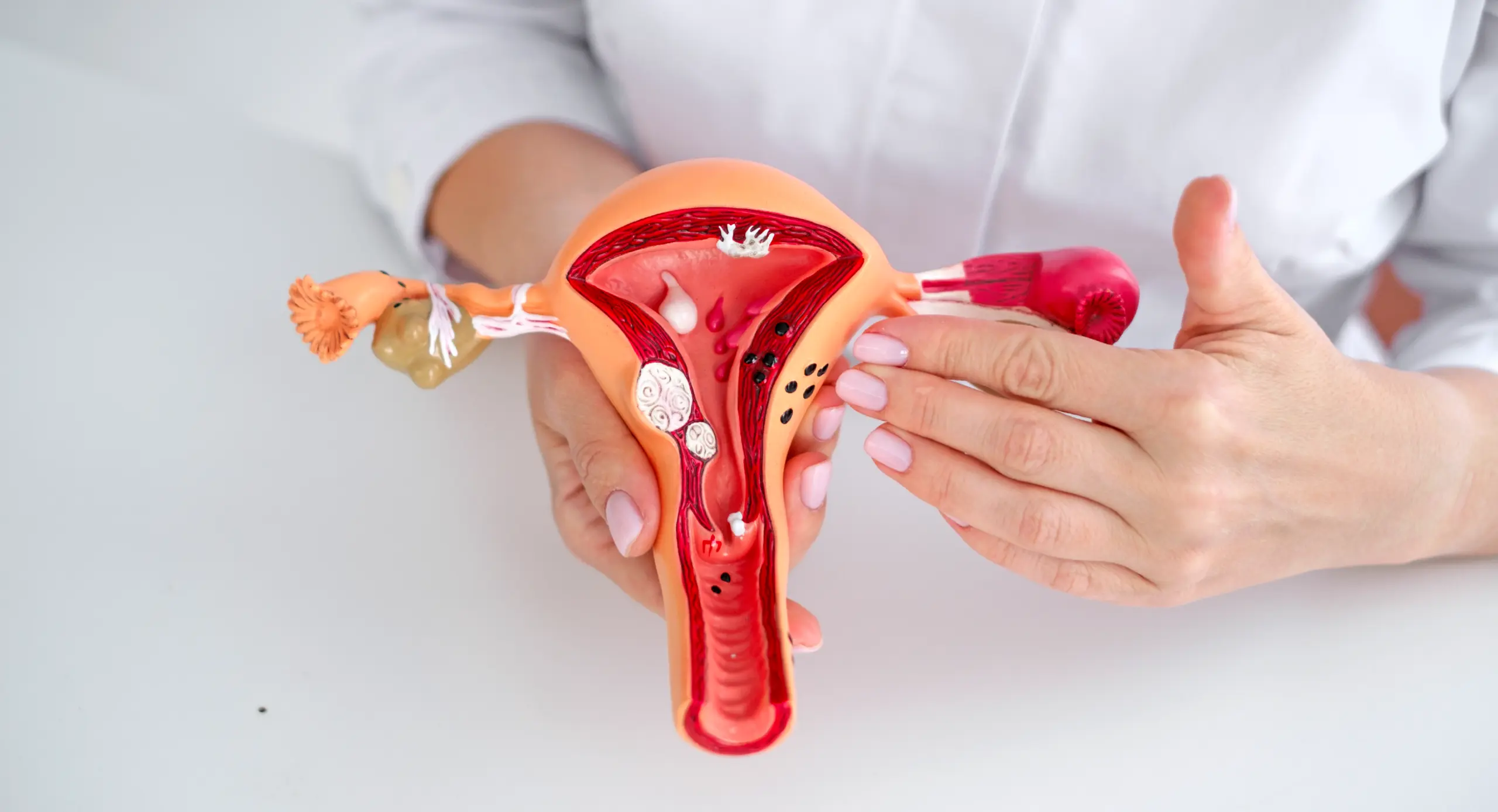
In secondary dysmenorrhea, menstrual pain results from an underlying medical cause, rather than a natural response of the body to the menstrual cycle. This form of dysmenorrhea often develops later in life and may be related to changes in the pelvic area or reproductive organs.
Secondary dysmenorrhea therefore requires a different approach than the more common primary form, as it is important to identify the underlying cause. Through timely investigation, a more targeted determination can be made of which treatment options are appropriate, reducing and in some cases preventing symptoms.
Dysmenorrhea can have several causes, some of which reinforce each other. These are the most common factors:
Treatment for dysmenorrhea depends on the cause, severity of symptoms and your personal situation. There is no standard solution that works for everyone. Common treatment options focus on reducing pain and supporting the natural course of the menstrual cycle. These include painkillers, hormonal contraception, applying heat, relaxation techniques and lifestyle modifications.
We are not doctors. If you recognize symptoms consistent with dysmenorrhea or suspect secondary dysmenorrhea, it is important to consult a physician.
Living with dysmenorrhea sometimes means being more conscious of what your body needs during your period. Small adjustments in your daily routine can help increase your comfort and sense of control. Many women experience relief by applying heat to the lower abdomen, as it helps relax the uterine muscles. Light to moderate exercise can also be supportive by stimulating blood flow and reducing tension.
In addition, rest and recovery play an important role. Adequate sleep and moments of relaxation help the body cope better with pain stimuli. Choosing comfortable menstrual products can also make a difference.
Products that feel soft and move with your body provide less pressure and tension during menstruation. More and more women are therefore choosing reusable and flexible solutions, such as our menstrual products. Designed to support comfort and freedom of movement!
In primary dysmenorrhea, menstrual pain is not the result of an underlying condition. Secondary dysmenorrhea does have a medical cause, making further examination by a physician important.
Mild dysmenorrhea is common, but severe or increasing pain is not a complaint you have to put up with. If the pain interferes with your daily life or changes over time, it is wise to consult a family doctor.
Dysmenorrhea often begins in the first few years after the first menstrual period, once the cycle becomes regular. In some women, symptoms do not appear until later in life.
In some women, dysmenorrhea may lessen over time, such as after pregnancy or due to hormonal changes. In others, symptoms remain present and further counseling is needed.
Do you have more questions? Or are you curious which product is best for you? You can always contact our customer service for personal product advice. We are happy to help you make a choice that suits your body and menstruation!